
Book enough time to review the findings
Ask an independent inspector what the inspection includes.
- Confirm access and any areas or systems that will not be assessed.
- Share concerns from your viewing.
More on book enough time to review the findings
Leave time before your contract deadline for questions and specialist follow-up.
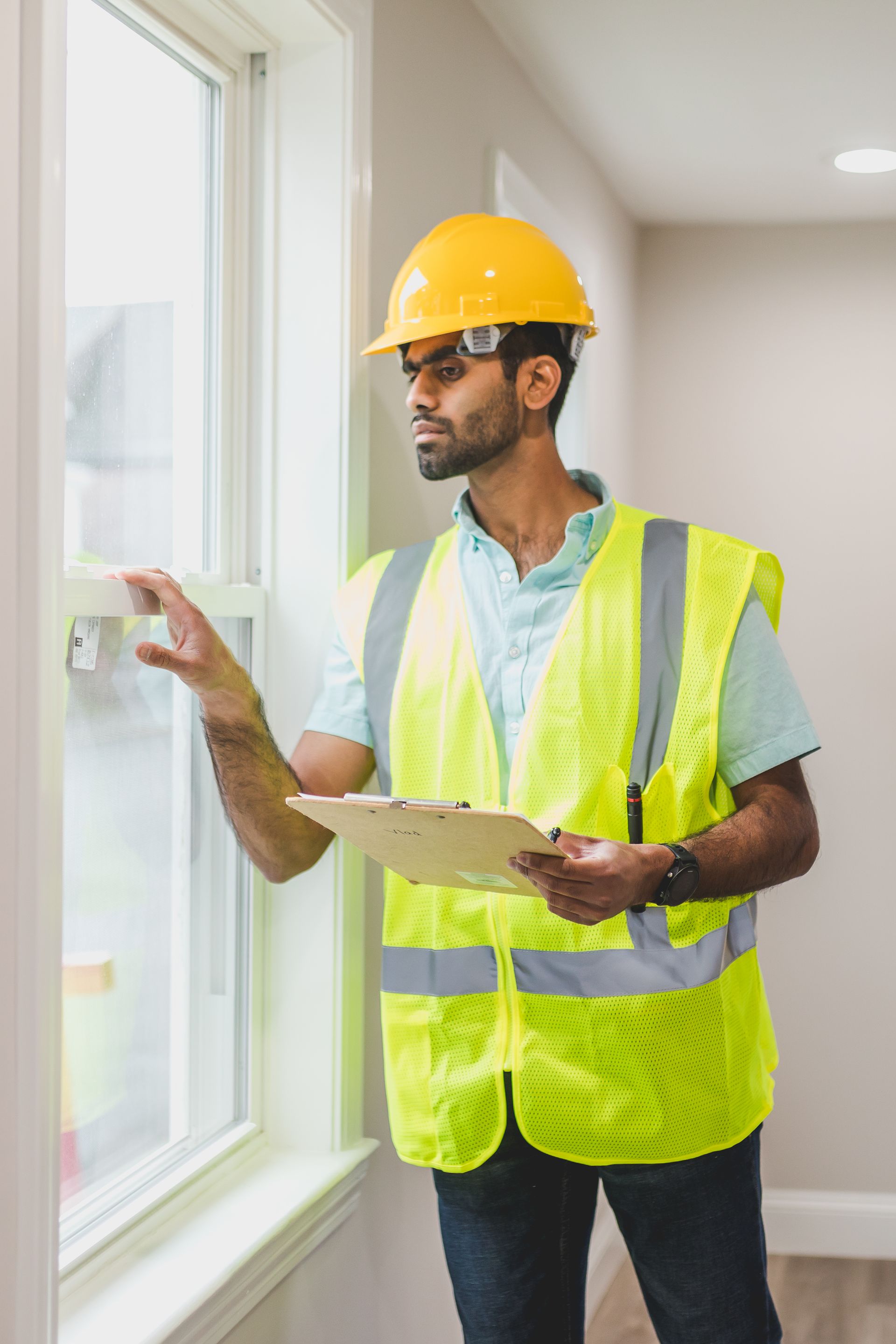
Sort the findings by the next action
Review the report with the inspector before deciding what it means for you.
- Separate routine maintenance from items needing further investigation.
- Ask qualified trades for assessments or estimates where needed.
More on sort the findings by the next action
Discuss your contract options with your representative and legal advisor.

The basics
What a home inspection is (and is not)
A home inspection is a visual review of a property by a licensed inspector. BC’s real estate regulator notes the inspector tries to find defects, but hidden problems may not be discoverable. The inspection looks at what can be seen on the day.
In BC, home inspectors must be licensed. Consumer Protection BC licenses them under provincial law. BC was the first Canadian province to regulate home inspectors, starting in March 2009.
An inspection is different from an appraisal. The appraisal tells your lender what the home may be worth. The inspection tells you about its condition: roof, structure, plumbing, electrical, heating and more. You pay for the inspection yourself, and the report is written for you, not for the seller or the lender.
Why it matters
Why skipping it is a real risk
BC’s real estate regulator warns that sellers do not have to disclose defects that a buyer could readily find with an inspection. Skip the inspection and those problems may become yours to fix. A subject-free offer may be more attractive to a seller, but BC’s real estate regulator says the risks may outweigh the benefits.
The report also shapes your first years of ownership. Even when nothing stops the purchase, it gives you a list of maintenance jobs and their rough urgency, so you can plan your repair fund instead of reacting to surprises.
How it works
Getting the most from an inspection
Include an inspection subject
Add a property inspection subject to your offer. The seller does not have to accept it, so talk with your realtor about the risks if it is removed.
Choose your own inspector
You may use any licensed inspector unless the contract says otherwise. BC’s real estate regulator advises against letting the seller choose.
Ask what will be covered
Ask the inspector which areas and systems they will review and which they will not. Snow on a roof, a locked crawl space or stored boxes can all limit what is seen.
Attend in person
Join the inspection and ask questions as you go. Seeing a damp corner or an old panel in person makes the written report far easier to understand later.
Read the full report
Sort each finding into three piles: safety, needs a specialist, and routine upkeep. Get quotes from qualified trades for anything in the first two piles.
Decide before the deadline
Discuss findings with your realtor and lawyer or notary before your subject date. Your choices may include removing the subject, asking for changes or letting the subject lapse.
Avoid these
Inspection mistakes
Waiving it under pressure
Competing offers can tempt you to skip it. Understand the risk first.
Using a seller-chosen inspector
Your inspector should work for you. A seller-chosen one is not in your interest.
Expecting a guarantee
An inspection is visual. Hidden defects behind walls or under floors may still exist, so keep a repair reserve after you move in.
Ignoring specialist referrals
If the inspector suggests a roofer or electrician, follow up before removing subjects.
Questions to ask
Questions for your inspection
Your inspector
- Are you licensed in BC?
- What areas will you not inspect?
- When will I get the report?
- Which findings need a specialist?
Your realtor
- How long should my inspection subject be?
- What if the seller rejects the subject?
Your lawyer or notary
- What are my options if the report shows a major issue?
- Does my contract give the seller a copy of the report?
FAQ
Common questions
How much does a home inspection cost in BC?
BC’s real estate regulator says costs range from a few hundred dollars to over a thousand, depending on the size of the property. See our closing costs guide.
Does a seller have to allow an inspection?
No. A seller does not have to accept an offer with an inspection subject. Ask your realtor about the risks if they refuse.
Does the seller get a copy of my report?
Not automatically. BC’s real estate regulator says the seller is only entitled to it if the contract says so.
Can I use the inspection to renegotiate the price?
You can ask, but the seller does not have to agree. Talk with your realtor about how to raise a finding, and with your lawyer or notary about the contract wording.
Who licenses home inspectors in BC?
Consumer Protection BC licenses home inspectors under the Business Practices and Consumer Protection Act and the Home Inspector Licensing Regulation.
A practical example
Ask what an observation means for you
When reviewing a finding, ask the inspector to explain the observation, its limits and the recommended next investigation.
- Record which questions need a qualified trade or other specialist.
- Keep estimates separate from assumptions.
Then discuss the contract implications with your representative and legal advisor, with enough time left to make a considered decision.
A detail to keep in mind
A recommendation to investigate further is an open question; it should not be treated as a confirmed diagnosis or a repair quote.
Official information
Start with these resources, then confirm the details for your property and circumstances.
BC Financial Services Authority: property inspectionsBC Financial Services Authority: Are you ready to purchase?Government of BC: Home inspectorsReference review: October 6, 2026