STONE GROUPYour perfect property. Our priority.
Metro Vancouver & the Fraser Valley
Bright living room with floor-to-ceiling windows

First homes

BC & federal buyer programs

Compare saving, withdrawal and tax-relief programs, then check your eligibility with the official source.

01

Saving

Ask about the FHSA and the rules for your situation.

02

Funding

Explore the Home Buyers’ Plan with your financial advisor.

03

Tax relief

Check property transfer tax and new-home rebate eligibility.

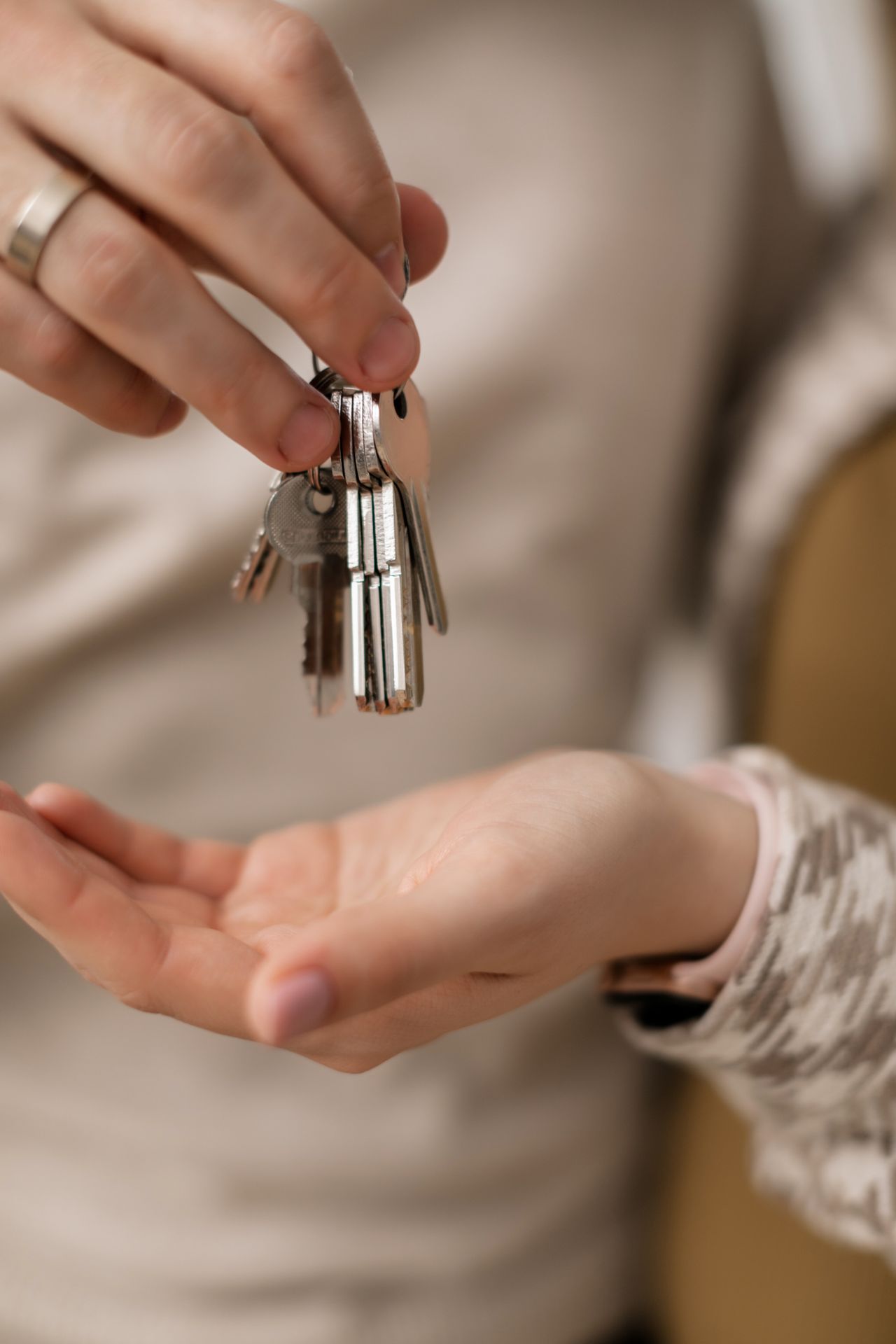
House keys handed over at completion
House keys handed over at completion. Illustrative photography.

What the programs actually do

Three different ways to plan your first purchase.

Reviewed September 30, 2026

Save · FHSA

$8,000

Participation room in the year you open your first account

Build savings for an eligible first home. The lifetime limit is $40,000. Contributions are generally deductible; qualifying withdrawals are tax-free. Check opening eligibility, available room and withdrawal conditions separately.

CRA: FHSA rulesCRA: participation limits

Withdraw · Home Buyers’ Plan

Up to $60,000

Eligible withdrawals from your RRSPs

Use eligible retirement savings toward a qualifying home. The Home Buyers’ Plan has repayment obligations over 15 years. CRA currently says a first withdrawal in 2026 begins repayment in 2031 under temporary relief. Confirm your own schedule.

CRA: Home Buyers’ Plan eligibility & repayment

Reduce tax · BC first-time buyer program

Up to $8,000

Potential property transfer tax exemption

Check the buyer, property and occupancy requirements. For qualifying purchases, the full benefit applies at a value up to $835,000 and exempts the first $500,000. Partial relief applies above $835,000 and below $860,000. This is not zero tax on every eligible purchase.

BC: eligibility and exemption

A worked example · BC transfer tax

A qualifying $800,000 home

Assuming full eligible ownership, a qualifying residential property and all program requirements are met:

General transfer tax
$14,000
First-time buyer exemption
− $8,000
Remaining transfer tax
$6,000

Other taxes, fees and exemptions are excluded. Confirm eligibility and the final amount with your conveyancer. BC exemption amounts

Turn the programs into a funding plan.

CRA permits an Home Buyers’ Plan withdrawal and a qualifying FHSA withdrawal for the same home when both sets of conditions are met.

These are funding tools, not automatic grants. Keep purchase cash and later repayment obligations separate.

The basics

Four programs, four different jobs

Think of the programs as tools that do different jobs. The First Home Savings Account (FHSA) helps you save. The Home Buyers’ Plan lets you borrow from your own RRSP. BC’s first-time buyer exemption lowers property transfer tax, the one-time provincial tax paid when a home is registered in your name. The federal home buyers’ amount is a tax credit you claim on your return.

Each tool uses its own test for “first-time buyer.” The CRA tests for the FHSA, the Home Buyers’ Plan and the home buyers’ amount look back over a four-year window. BC’s property transfer tax test is stricter: you must never have owned a principal residence anywhere in the world. So a buyer can pass the federal tests and still fail the BC one.

For a brand-new home, two more programs come into play: the federal first-time home buyers’ GST/HST rebate and BC’s newly built home exemption. Our GST on a new home guide covers the rebate.

Why it matters

Timing decides whether the money helps

The programs pay out at different moments. The BC exemption is claimed by your lawyer or notary on the transfer tax return at registration, so it lowers the cash needed on completion day. The home buyers’ amount only shows up when you file taxes. FHSA and Home Buyers’ Plan money must be withdrawn before completion, and the Home Buyers’ Plan needs a signed purchase agreement first. Build your budget around those dates, not around the total.

How it works

How to line the programs up

  1. Test each buyer separately

    Write down every home each buyer has owned and lived in, with dates. Compare that history with the four-year federal test and BC’s lifetime test.

  2. Open an FHSA early

    CRA gives $8,000 of participation room in the year you open your first FHSA, up to $40,000 over your lifetime. Room only starts once an account is open, so opening sooner builds room.

  3. Check your RRSP for the Home Buyers’ Plan

    The current Home Buyers’ Plan withdrawal limit is $60,000. Each withdrawal needs Form T1036 and a written agreement to buy or build a qualifying home.

  4. Confirm the BC property tests

    For the full BC exemption, the home must be worth $835,000 or less, sit on 0.5 hectares or less, hold only residential buildings, and be your principal residence.

  5. Plan the move-in

    BC requires you to move in within 92 days of registration and keep living there until the first anniversary. Book your move so you can meet that.

  6. Claim the tax credit

    After the purchase, ask your tax preparer about claiming up to $10,000 under the home buyers’ amount on line 31270 of your return.

Avoid these

Where first-time buyers slip

  • Assuming one “first-time” test

    Owning a condo abroad years ago may still block the BC exemption, because BC looks at your whole lifetime. Check each program’s own wording.

  • Missing the Home Buyers’ Plan deadline

    CRA requires you to buy or build the home before October 1 of the year after the withdrawal. A long presale may not fit, so ask before withdrawing.

  • Moving in late

    Missing BC’s 92-day move-in window can cost you the exemption. Plan rentals and leases around it.

  • Spending FHSA room twice

    Transfers from an RRSP into an FHSA use up participation room but are not deductible. Track both so you know your real room.

Example

Registered savings for one buyer

A hypothetical single buyer who uses the full FHSA lifetime limit and the full Home Buyers’ Plan limit. Growth inside the accounts is ignored.

FHSA contributions over five years5 × $8,000 = $40,000
Home Buyers’ Plan withdrawal from RRSP$60,000
Total from registered accounts$40,000 + $60,000 = $100,000
Home Buyers’ Plan amount to repay later$60,000 over 15 years

CRA allows a qualifying FHSA withdrawal and an Home Buyers’ Plan withdrawal for the same home when both sets of rules are met. The Home Buyers’ Plan money is a loan to yourself. Run the totals through the down payment calculator.

Questions to ask

Questions for your appointments

Your financial advisor

  • Can I open an FHSA this year, and how much room will I have?
  • Did I contribute to my RRSP in the 89 days before this withdrawal?
  • What will my yearly Home Buyers’ Plan repayment be, and when does it start?

Your lawyer or notary

  • Do I pass BC’s lifetime ownership test as written?
  • Will the exemption be full or partial at this price?
  • What happens if my move-in is delayed past 92 days?

Your tax preparer

  • Can I claim the home buyers’ amount this year?
  • Should I deduct FHSA contributions now or carry them forward?
  • Do I need receipts from the purchase for my return?

FAQ

Common questions

Can I use the FHSA and the RRSP Home Buyers’ Plan for the same home?

Yes, if you meet both sets of conditions. CRA lets you make a qualifying FHSA withdrawal and an Home Buyers’ Plan withdrawal toward one qualifying home. Our FHSA vs RRSP guide compares them.

Who counts as a first-time buyer for the FHSA?

CRA says you qualify if you did not live in a home owned by you or your spouse or common-law partner, as your main home, in the current year before opening the account or the four years before. You must also be 18 or older and a resident of Canada.

What does BC require for the first-time buyer exemption?

You must be a Canadian citizen or permanent resident and meet a BC residency test. That means living in BC for a year before registration, or filing two BC tax returns in the last six years. You must never have owned a principal residence anywhere.

Is there partial BC relief above $835,000?

Yes. BC lists a partial exemption for homes worth more than $835,000 and less than $860,000. Your lawyer or notary works out the exact amount on the transfer tax return.

Can I use both BC exemptions on a new home?

They are separate programs with separate thresholds. BC’s newly built home exemption is fully available up to $1,100,000. See our newly built home exemption guide before choosing.

Sources

Reviewed October 6, 2026. General information only, not legal, tax or financial advice. Rules change, so confirm the details for your purchase or sale with the official source and your own professionals.

Row of townhomes with painted facades
Row of townhomes with painted facades. Illustrative photography.
Useful next steps

Plan for getting the keys

Explore the guide

Common questions

Your questions, answered

Choose a question for a short answer. Open the full guide for the details.

Can I assume I qualify for every program?

No. Each program has its own buyer, property, timing, and use requirements. Qualifying for one does not establish eligibility for another.

Does the BC threshold mean zero transfer tax?

Not necessarily. The official first-time buyer program currently lists a $835,000 qualifying value threshold for the full benefit, but the exemption is on the first $500,000 when all conditions are met. Have your conveyancer confirm the calculation.

When would I receive the benefit?

It depends on the program.

Confirm whether it affects completion costs, requires a separate application, or appears on a tax return before relying on it for cash flow.

Read the full guide & official sources
Stone Group Real Estate Team editorial · September 29, 2026

Build a funding conversation, not a list of assumed savings.

Several programs may help an eligible first-time buyer, but they work in different ways.

Some support saving or withdrawals; others may reduce a tax cost. Each has its own conditions. Qualification for one does not automatically qualify you for another.

First Home Savings Account (FHSA)

The FHSA is a registered savings account with rules for opening, contributions, deductions, and qualifying withdrawals.

Before moving money, check your eligibility and available participation room with the CRA and your financial institution.

Home Buyers’ Plan

The Home Buyers’ Plan permits qualifying RRSP withdrawals subject to its conditions and repayment rules.

Ask how an Home Buyers’ Plan withdrawal would affect your retirement savings, repayment obligations, and home-purchase funding timeline.

BC first-time home buyers’ property transfer tax program

The BC program has buyer, property, and occupancy conditions.

The official page currently lists a qualifying property-value threshold of $835,000 for the full program benefit, with an exemption on the first $500,000 of the purchase price when all requirements are met.

This does not mean every eligible property up to $835,000 has zero property transfer tax. Partial relief and other conditions require a separate check.

First-time home buyers’ GST/HST rebate

CRA provides a separate eligibility and application process for this rebate on qualifying new homes.

Check buyer eligibility, agreement and construction dates, property value, and who applies. Ask whether an advertised developer price assumes a rebate assignment.

Other credits and exemptions

Ask your accountant about the home buyers’ amount and any other credits relevant to you.

BC’s newly built home property transfer tax exemption is a different program from its first-time buyer exemption; do not combine or substitute them without confirming the applicable rules.

An illustration of a possible benefit is not an eligibility decision.

Have your lawyer, accountant, and mortgage professional confirm the program requirements and the cash you need before completion.

Your appointment checklist.

  • List each buyer and their ownership history, residency, and intended use of the home.
  • Bring the property details, purchase dates, price, and expected completion date.
  • Ask when each benefit is received: at completion, on a tax return, or after an application.
  • Keep a written record of the rules and assumptions used.

Further reading

Sources checked September 29, 2026. Confirm current rules and your individual eligibility before acting.

CRA: First Home Savings AccountCRA: Home Buyers’ PlanProvince of BC: First-time home buyers’ programCRA: First-time home buyers’ GST/HST rebate

Related reading

More on this topic

Explore the journal

YOUR NEXT STEP

A question about what you’ve read?

Bring this topic into a conversation with Benny.