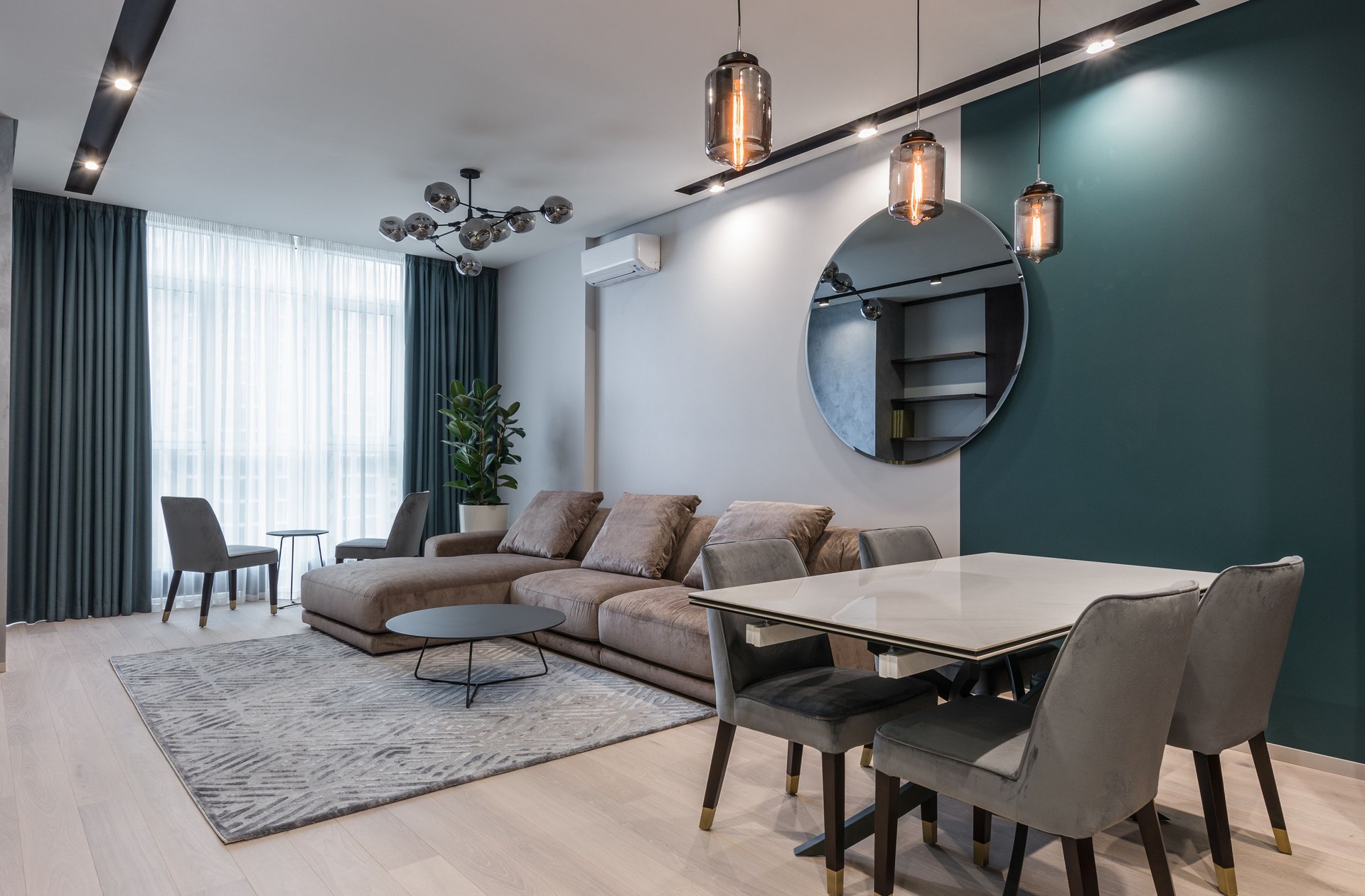
Show how each room can be used
Clear clutter and remove furniture that blocks movement.
- Give each room an obvious purpose.
- Check lighting and photograph the room to spot distractions.
More on show how each room can be used
Agree on a preparation budget before buying or renting furniture.

Keep the presentation accurate
Buyers should recognize the home when they visit.
- Confirm which items are included in the sale.
- Prepare for professional photographs after the agreed work is complete.
More on keep the presentation accurate
Use presentation to explain the space, never to conceal a problem.

The basics
What staging is, in plain terms
Staging means arranging a home so buyers can picture living there. It can be as simple as removing extra furniture and adding lamps, or as involved as renting furniture for an empty home.
The audience is a buyer scrolling photos on a phone, then walking through for a few minutes. Each room needs a clear purpose, good light and a path to walk through. Everything else is detail.
Staging is about presentation, not disguise. Furniture placed to hide a crack or a stain works against you once a buyer or an inspector finds it.
Why it matters
Why it helps buyers decide
Empty rooms can look smaller than they are, and crowded rooms can look smaller still. Buyers struggle to judge size when they cannot see the floor or the walls. Simple staging shows scale.
It also helps your listing photos match the visit. When a buyer recognises the home from the photos, trust grows. When the home disappoints, buyers start looking for problems.
How it works
Staging room by room
Clear surfaces first
Counters, tables, dressers and bathroom vanities should be nearly bare. Keep one or two simple items. Store small appliances, mail, toiletries and chargers out of sight.
Remove a piece from each room
Take out the extra chair, the side table or the overfilled bookcase. Open floor space reads as larger in photos and on foot.
Give every room one job
A spare room that is half office and half storage confuses buyers. Pick one use, such as a guest bedroom or a home office, and stage it that way.
Fix the lighting
Replace burnt-out bulbs and use the same colour of light throughout. Open blinds before every showing. Add a lamp to dark corners.
Depersonalise without stripping
Pack family photos, collections and strong décor. Keep a few neutral touches such as towels, a plant or a throw, so the home still feels lived in.
Stage the entrance and outdoor space
Sweep the walkway, clear the balcony or patio, and put out a simple seating area if space allows. Buyers form a first impression before the door opens.
Avoid these
Staging mistakes that backfire
Staging to hide a defect
A rug over damaged flooring or a cabinet in front of a water mark will be found. Fix it or disclose it. BC’s real estate regulator requires listing agents to disclose known hidden defects in writing.
Showing items that do not come with the home
Buyers may assume a staged fixture, mounted TV or window covering is included. Confirm in writing what stays and what goes.
Overspending on rented furniture
Rented staging for an occupied home is not always needed. Agree on a budget and test the simplest version first.
Ignoring tenants’ rights
If the home is rented, the tenant has a legal right to quiet enjoyment. Staging and showings need proper written notice or the tenant’s permission.
Questions to ask
Questions to settle before you stage
Your agent
- Which rooms matter most in the listing photos?
- Do you recommend rented furniture for this home?
- What should I remove before the photographer arrives?
- Which items should we list as included or excluded?
A stager, if you hire one
- What is included in your fee and for how long?
- Who is responsible if staged furniture is damaged?
- Can you work with the furniture we already own?
Your tenant, if the home is rented
- What notice works best for showings?
- Can we agree on a regular showing window?
- Which rooms or items should not be photographed?
FAQ
Common questions
Is home staging worth it?
It depends on the home and how it looks now. Removing clutter and improving light cost little and help almost any listing. Paid staging makes more sense for an empty or hard-to-read home. Ask your agent to explain the specific benefit for yours.
Should I stage an empty home or leave it bare?
Empty rooms can be hard to judge in photos. Staging a few key rooms, such as the living area and main bedroom, can show scale without furnishing the whole home.
Can I stage a home that has tenants?
Yes, with care. The Province says the tenancy continues during a sale and the tenant keeps the right to quiet enjoyment. You need written notice or permission to show the unit. Talk with the tenant early.
Do staged items come with the house?
Only what the contract says. Make a clear list of included and excluded items with your agent so buyers are not surprised.
Should I take my own photos before the professional ones?
Yes, as a test. Simple phone photos reveal clutter and dark corners you stop noticing in person. Fix those before the photographer arrives.
A practical example
Photograph a room as a test
Use a simple reference photograph to notice clutter, unclear room purpose or awkward furniture placement.
- Review what can be improved within your budget, then leave professional marketing photographs to the agreed plan.
- Keep the condition of the property represented accurately and make sure viewings show what buyers reasonably expect from the images.
A detail to keep in mind
Presentation should explain the home. It should not conceal an issue or suggest an inclusion that is not part of the sale.
Official information
Start with these resources, then confirm the details for your property and circumstances.
BC’s real estate regulator consumer resourcesBC Financial Services Authority: Consumer guide to disclosuresProvince of BC: Sell a rental propertyReference review: October 6, 2026