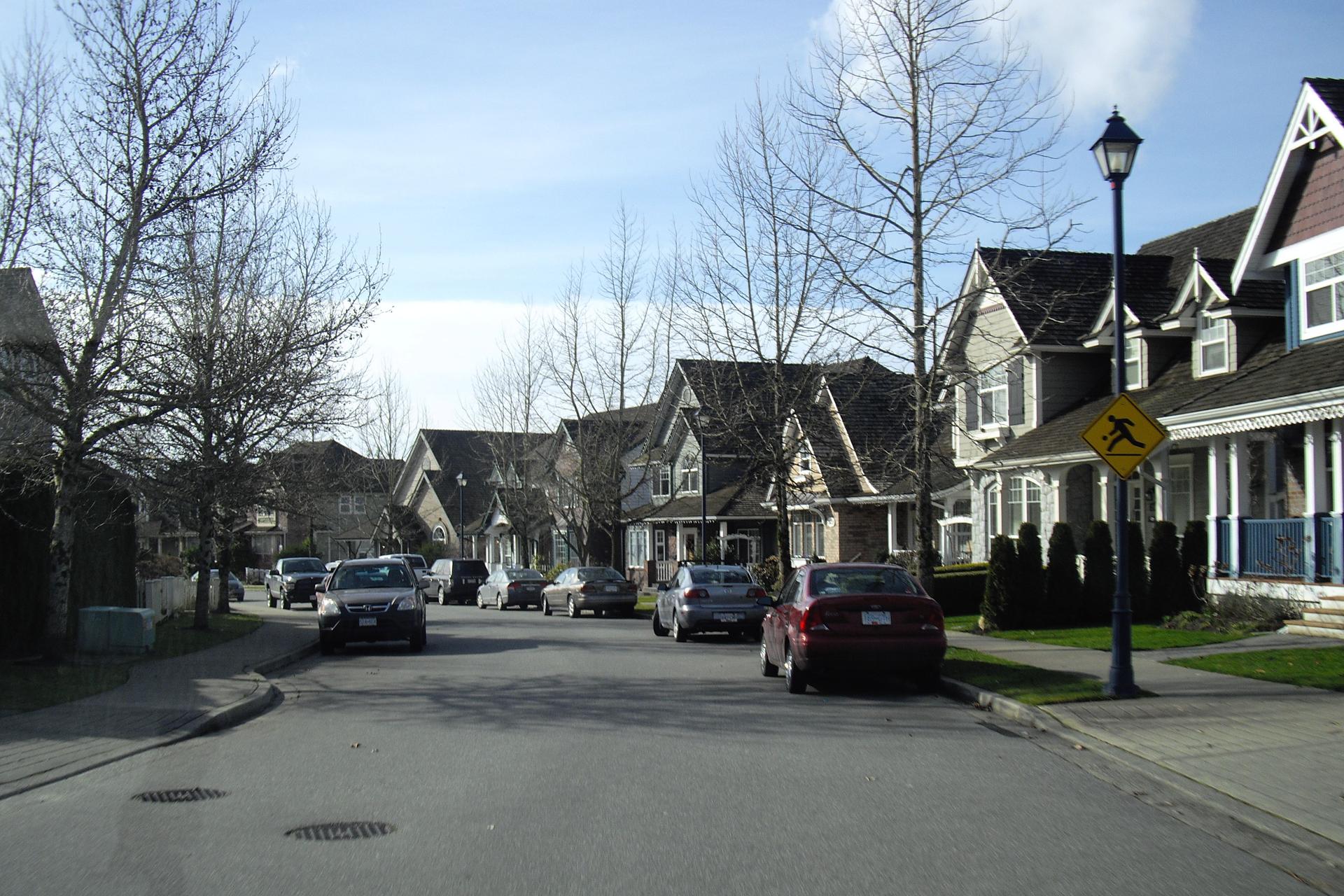
Try a normal weekday from each address
Choose two or three areas to compare.
- Test the journeys you regularly make to work, shops, activities or family.
- Visit at different times of day.
More on try a normal weekday from each address
Use the same checklist for every address.

Verify what matters before choosing
Check important details with the organization responsible.
- Confirm school catchments directly if they affect your decision.
- Review current municipal plans for the area.
More on verify what matters before choosing
Check transport and service details from the actual address, not just the neighbourhood name.
The basics
Choosing an area is choosing a daily routine
When you buy a home, you also buy every trip that starts from its front door. The school run, the grocery shop and the drive to a parent’s place all become fixed costs in time. A neighbourhood that looks lovely on a Sunday can feel very different at 7:45 on a Tuesday morning.
Comparing areas well means testing those trips for real, from the actual street address. It also means looking ahead. Cities publish long-range plans that show where new housing, shops, parks and roads are expected. That future can change the street you are buying on, for better or worse.
Why it matters
Why the area matters as much as the home
You can renovate a kitchen, but you cannot move a house closer to work. Location is the one feature you are stuck with. Getting it wrong can mean longer days, higher transport costs or a second move sooner than planned.
Area choice also shapes your shortlist. Once you know which two or three neighbourhoods fit, you can act faster when the right listing appears, because the location question is already answered.
How it works
A two-week neighbourhood test
Write your must-have trips
List every regular journey: work, school, daycare, gym, place of worship, family. Note how often each happens and at what time of day.
Plan each trip from the address
Use the TransLink trip planner or a map app with the exact street address, not the neighbourhood name. Two homes in the same area can sit on very different bus routes.
Drive or ride it at rush hour
Do the busiest trip once at the real time you would make it. Note parking at the other end and how long the last stretch takes.
Walk the block at night and on a weekend
Listen for traffic, trains, flight paths or late businesses. Check street lighting and where visitors would park.
Read the city’s long-range plan
Look up the Official Community Plan and any neighbourhood plan for the area. Surrey, for example, describes its plan as guidance for the next 30 years.
Confirm services with the source
Call the school district about catchment and the city about garbage, recycling and planned roadworks. Ask about known hazards such as floodplain mapping.
Avoid these
Area-choice traps
Trusting one visit
A sunny Saturday hides commuter traffic, school-zone congestion and evening noise. Visit at least once on a weekday at the times you would actually travel.
Assuming the catchment
School boundaries can change and do not always follow neighbourhood names. Get the answer from the school district for the specific address before you rely on it.
Ignoring the empty lot next door
A vacant site or older strip mall may be planned for something much bigger. Check the city plan and any posted development signs nearby.
Comparing different seasons
A street in leafy July can look bare and darker in January. If you can, judge competing areas in the same season and light.
Example
Putting a number on the commute
Illustration only, with round numbers. Compare the weekly time cost of two shortlisted addresses for one person working five days on site.
| Home A: one-way trip | 25 minutes |
|---|---|
| Home A: weekly total | 25 × 2 trips × 5 days = 250 minutes (about 4.2 hours) |
| Home B: one-way trip | 45 minutes |
| Home B: weekly total | 45 × 2 trips × 5 days = 450 minutes (7.5 hours) |
| Difference per week | 450 − 250 = 200 minutes (about 3.3 hours) |
Multiply the difference by the weeks you work in a year and weigh it against any price gap. Our local guides, such as Surrey vs Langley, help with the wider comparison.
Questions to ask
Who to ask about an area
The city or municipality
- Is any rezoning or development application active near this address?
- Which neighbourhood plan covers this street, and when was it updated?
- Are major road, sewer or transit works scheduled here?
- Is this property inside any mapped hazard area?
The school district
- Which schools serve this exact address today?
- Are any catchment changes being reviewed?
- Is there a waitlist for the programs we want?
Your agent
- Which nearby streets have a different feel from this one?
- What would you check before buying on this block?
- Can we view comparable homes in our second-choice area?
FAQ
Common questions
How many neighbourhoods should I compare?
Two or three is usually enough to compare properly. More than that and the visits blur together. Narrow the list with your must-have trips first, then test the finalists in person.
Where can I see what will be built near a home?
Start with the city’s Official Community Plan and neighbourhood plans, which set out the intended land uses. Then ask the planning department about active applications close to the address.
Is a longer commute worth a lower price?
Only you can weigh that, but measure it honestly. Add the yearly hours and transport costs, then compare with the monthly saving from a lower price using our mortgage payment calculator.
Can I rely on the listing’s walk score or school claims?
Treat them as starting points. Check the trip yourself from the address and confirm schools with the district. Listing descriptions are marketing, not verified facts.
Should I talk to future neighbours?
A short, friendly chat can tell you about parking, noise and how the street feels day to day. Remember it is one person’s view, so weigh it with what you see yourself.
A practical example
Score the things you actually use
Choose a few personal criteria and apply them consistently at each address.
- For example, record the route to work, useful storage, outdoor access and proximity to people you visit.
- Keep your observations separate from a marketing description.
Return to the strongest candidates at a different time before deciding which trade-offs are acceptable.
A detail to keep in mind
A neighbourhood can work for one household and feel inconvenient to another. Avoid a universal “best area” ranking.
Official information
Start with these resources, then confirm the details for your property and circumstances.
BC Financial Services Authority: buying a homeTransLink: Trip plannerCity of Surrey: Official Community PlanReference review: October 6, 2026