The short answer
Richmond’s Canada Line and Coquitlam’s Millennium Line serve different travel patterns. Test the full door-to-door journey from each address. The closest station, transfers and last part of the trip can matter more than a city-level label.
TransLink: SkyTrain lines and stationsCanada Line
Distinguish the Richmond–Brighouse and YVR branches.
Millennium Line
Check connections around Coquitlam Central and Lafarge Lake–Douglas.
Your actual journey
Include walking, bus connections, waiting and transfers.

The basics
Two cities shaped by different lines and landscapes
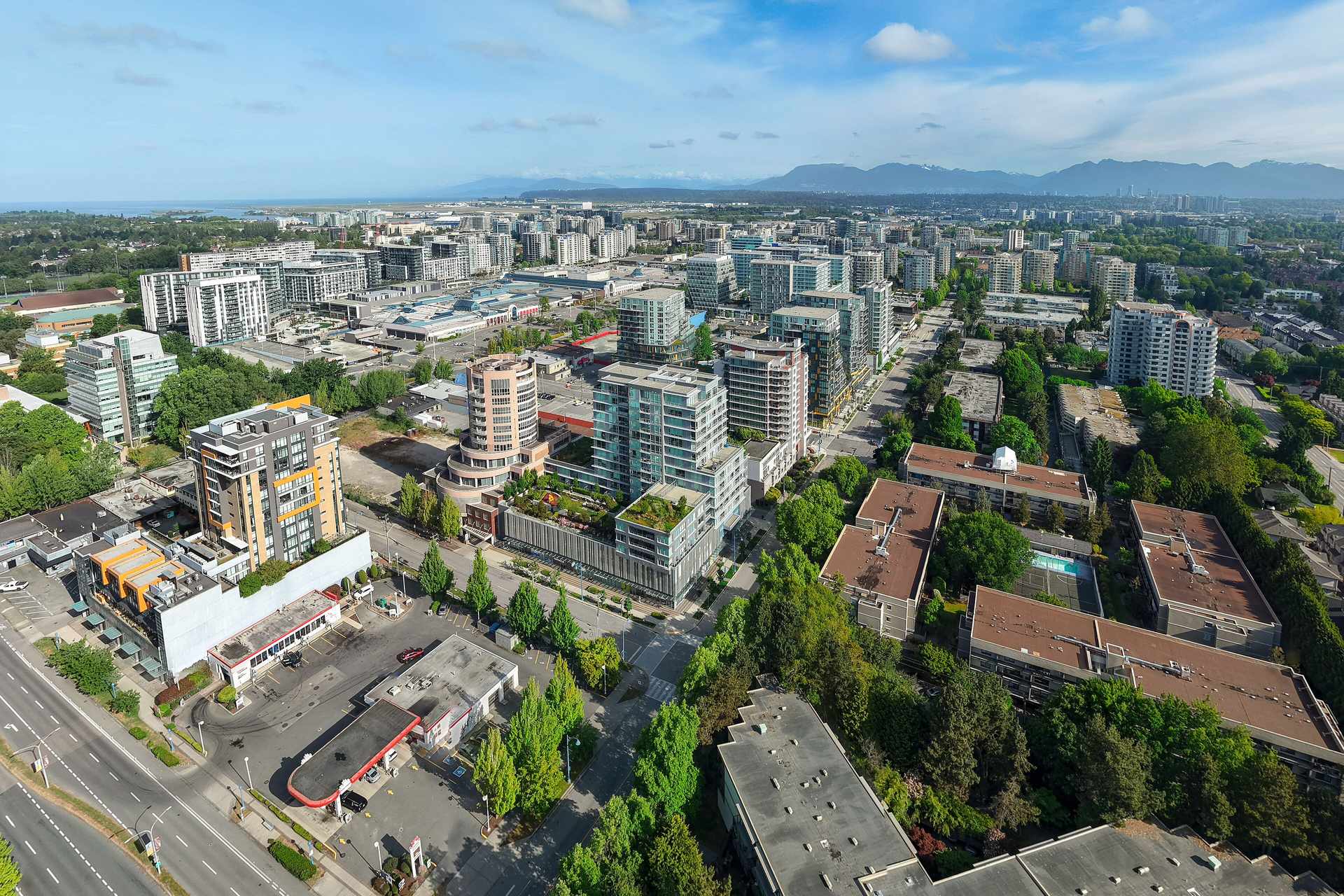
Richmond is a low-lying city. The City says it sits on average about 1 metre above sea level. It is served by the Canada Line, which runs from Waterfront Station downtown. One branch ends at Richmond–Brighouse and the other at YVR–Airport.
Coquitlam mixes SkyTrain station areas, established neighbourhoods and the newer Burke Mountain area. It is served by the Millennium Line, which runs from VCC–Clark to Lafarge Lake–Douglas, with Coquitlam Central also on the line. The two cities point you toward different parts of the region, so your regular trips matter most.
Why it matters
Why the city plans point in different directions
Coquitlam expects about 50% of its growth over the next 25 years in its transit-oriented areas: City Centre, Burquitlam and Lougheed. About 21% is expected on Burke Mountain and 29% in existing neighbourhoods such as Austin Heights and Maillardville.
Richmond organizes its plan through area plans, including City Centre, Steveston, Bridgeport, East Cambie and Hamilton. Knowing which plan covers an address tells you what may change nearby.
How it works
A fair way to compare Richmond and Coquitlam
List your weekly destinations
Write down work, school, family and errands. Note which side of the region each one is on.
Pick the right Canada Line branch
Richmond–Brighouse and YVR–Airport trains split. Travellers between the two branches change at Bridgeport Station.
Find the plan for each address
Use Richmond’s area-plan register or Coquitlam’s planning pages. Coquitlam layers a citywide plan, area plans and neighbourhood plans.
Read Richmond’s flood information
Richmond reports 49 km of dikes and 39 drainage pump stations. Ask about the specific home’s drainage, disclosures and insurance.
Check Burke Mountain timing
Coquitlam’s long-range plans guide future servicing there. Confirm which parks, roads or schools are open today rather than planned.
Visit at your travel times
Ride the route from each address at the hour you would really leave. Note the walk to the station, any bus connection and the wait.
Compare the homes, then the cost
Match type, size and age. Then compare the full monthly cost, including strata fees and property taxes, using our payment calculator.
Avoid these
Mistakes when comparing these two cities
Assuming every Canada Line train goes to your stop
Trains run on two branches. Check which one serves your station and whether you will need a transfer at Bridgeport.
Skipping the flood question in Richmond
A city-wide dike system is not an address-level assessment. Ask the questions for the particular home.
Treating Burke Mountain plans as finished
A long-range vision does not say when a facility will open. Check what exists now.
Comparing a tower to a townhouse
Keep the home type the same, or you are comparing housing, not cities.
Questions to ask
Questions to ask on each shortlist
The City planning department
- Which area or neighbourhood plan covers this address?
- Is development proposed on nearby lots?
- For Richmond: where can I find drainage tips for this property?
Your real estate agent
- Which station would I really use, and how would I reach it?
- Are these homes comparable in type, age and tenure?
- What is in the strata or title documents for each?
Your insurer and lender
- Does this address affect my home insurance options?
- Would my pre-approval cover both homes?
- What monthly payment fits both options?
FAQ
Common questions
Can I ride a Richmond–Brighouse train straight to the airport?
No. The Canada Line has two branches. TransLink says to transfer at Bridgeport Station between YVR–Airport and Richmond–Brighouse trains. Check the current trip planner for your route.
Is a home near a SkyTrain station always the better pick?
Not always. A station helps only if the line goes where you travel. Weigh the walk, connections and trip against the home’s space, condition and running costs.
Which Coquitlam stations are on the Millennium Line?
The line ends at Lafarge Lake–Douglas, with Coquitlam Central also on it. Coquitlam names City Centre, Burquitlam and Lougheed as its transit-oriented growth areas.
Is Richmond protected from flooding?
Richmond operates 49 km of dikes and 39 drainage pump stations. That system covers the city, but each home still needs its own questions about drainage, disclosure and insurance.
Where do I start looking in each city?
Read our Richmond guide and Coquitlam pages, then visit the areas at the times you would travel.