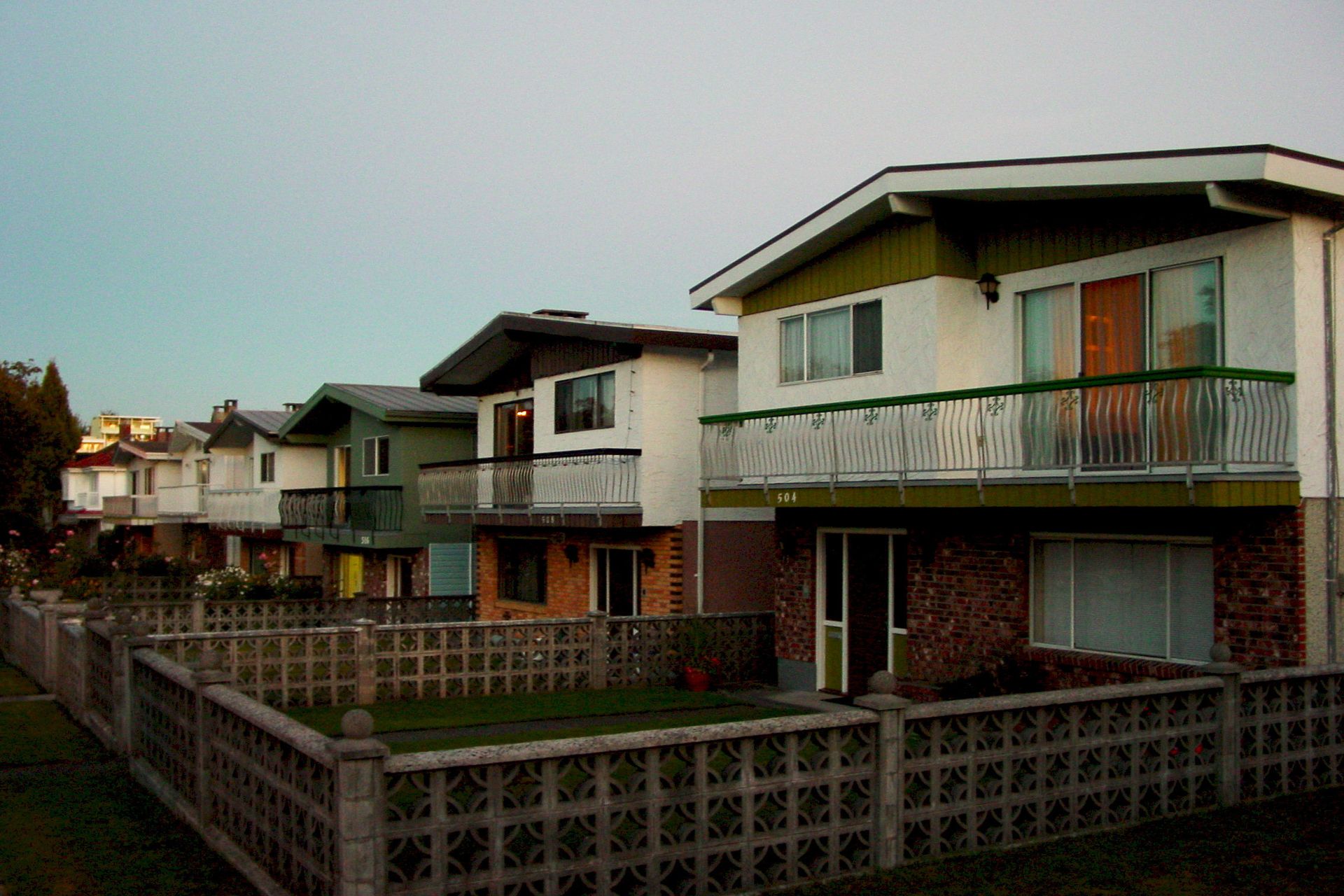
Walk the house and the lot
Look at the driveway, drainage, retaining structures and outbuildings.
- Ask for the age and service history of major systems.
- Record concerns for an independent inspector.
More on walk the house and the lot
Keep essential repairs separate from improvements you would like to make.

Check records for changes to the home
Ask for evidence before relying on a renovation or extra living space.
- Request records for additions and major alterations.
- Get professional advice on changes you need to make.
More on check records for changes to the home
Include approvals, structural work and disruption in your renovation planning.

The basics
With a house, everything is yours to fix
A detached home has no strata to share the bill. The roof, drains, foundation, furnace, fences and trees are all yours. That gives you freedom to change things, but it also means every repair comes straight out of your budget.
So the viewing has to cover the land and the building systems, not just the rooms. You are looking for the age and condition of expensive parts, signs of water, and proof that past changes were done with the right permits.
Why it matters
Why the expensive parts deserve the attention
Paint and staging are cheap. A new roof, sewer line, retaining wall or heating system is not. Knowing their age and condition helps you set a fair price and plan your first few years of ownership.
Unpermitted work can also cause trouble later. An added suite or removed wall may need inspection, changes or a permit after the fact. Lenders and insurers may ask about it as well.
How it works
A room-by-room and yard-by-yard plan
Walk the lot first
Look at slopes, where water flows, retaining walls, large trees near the house and the condition of the driveway and fences.
Check the roof and gutters
From the ground, note missing or curling shingles, moss and gutters that overflow or pull away. Ask how old the roof is.
Look low for water
In basements and crawlspaces, look for stains, efflorescence (white powder on concrete), dampness or a musty smell. Ask about the drainage system.
Ask for system ages
Request ages and service records for the furnace or heat pump, hot water tank, electrical panel and plumbing.
Ask about changes and permits
For any suite, addition or opened-up wall, ask whether a permit was issued and passed final inspection. The city can often confirm.
Book a licensed inspector
In BC, home inspectors must be licensed by Consumer Protection BC. Give your inspector your notes and the seller’s records.
Avoid these
House-hunting blind spots
Falling for the kitchen
New finishes can sit on top of an old roof or failing drain tile. Price the big systems first, then enjoy the finishes.
Assuming the suite is legal
A suite that earns rent today may not have a permit. Ask the city about the property’s permit history before you count on that income.
Skipping the sewer line
Older lines can crack or fill with roots. Ask your inspector whether a camera scope of the line is worth booking.
Ignoring trees and slopes
Big trees and steep lots bring drainage, root and removal questions. Some cities also regulate tree removal, so ask before planning changes.
Questions to ask
Who to ask what
The seller (through the agents)
- How old are the roof, heating system and hot water tank?
- Which renovations were done, and were permits issued?
- Has the home ever had water in the basement or crawlspace?
- Are receipts or warranties available?
Your home inspector
- What is your view of the roof, drainage and foundation?
- Do you recommend a sewer scope or other specialist check?
- What would you plan to repair in the first two years?
The city
- What permits are on file for this address?
- Was the secondary suite permitted and given final approval?
- Are there bylaws on tree removal or retaining walls here?
FAQ
Common questions
What should I look at first in a detached home?
The outside and the lot. Roof, drainage, foundation and slopes are costly to fix. Rooms can be refreshed later.
Are home inspectors regulated in BC?
Yes. BC requires home inspectors to be licensed, and Consumer Protection BC handles licensing. Our home inspection guide covers what to expect on the day.
Do I need a permit to renovate a house?
Often yes. Surrey, for example, says interior renovations in a detached home need a building permit, and structural changes may need sealed drawings from a registered professional. Check with your own city.
What if the house was built in the last ten years?
It may still have 2-5-10 home warranty coverage. Ask for the warranty details and check whether coverage passes to you.
How can I tell if a suite or addition had a permit?
Ask the seller for the permit and the final inspection record. Then ask the city what is on file for the address. If the records do not match what you see, raise it with your agent and lawyer or notary before removing subjects.
A practical example
Create a property systems sheet
Record what is known about major systems and substantial alterations, with the available documents beside each item.
- Mark unknowns clearly.
- Give the sheet to your inspector as background and ask what else would help assess the property.
Keep a maintenance list for after the move as well as a list of purchase questions.
A detail to keep in mind
A fresh finish does not tell you when a system was installed or whether a structural change was approved.
Official information
Start with these resources, then confirm the details for your property and circumstances.
BC Financial Services Authority: property inspectionsGovernment of BC: Home inspectorsCity of Surrey: Interior renovation permitReference review: October 6, 2026